Bernard Harrison / Night Safari
The thing that makes an idea impossible to approve is the same thing that makes it impossible to compete with.
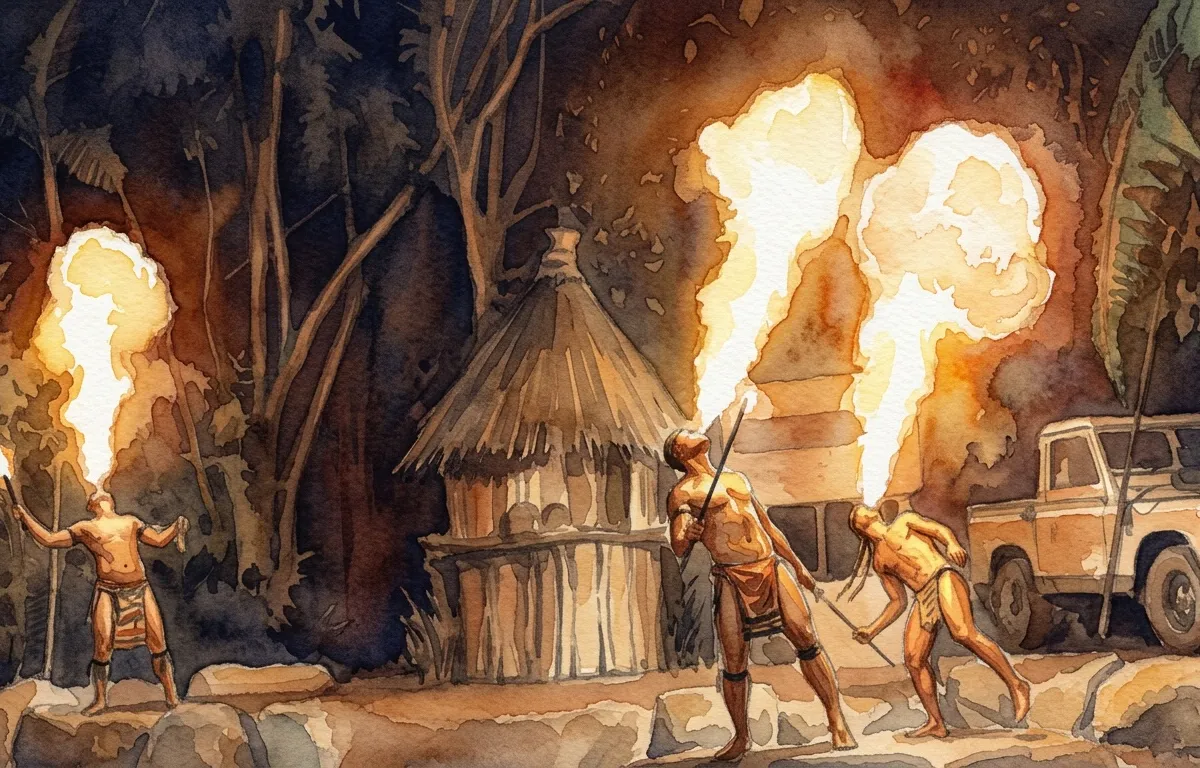
The first time I went to the Night Safari, I remember the darkness more than the animals.
You're on an open tram, moving through jungle at walking pace. No glass. No barriers you can see. Just warm air, insect noise, and a pair of eyes catching the light ten feet away.
Every Singaporean kid has that memory. Here's what I didn't know until recently:
The man who built it was told for three years it was a terrible idea.
Bernard Harrison was a KL-born zoologist who stumbled into Singapore Zoo at 22 and became its director at 29 — the youngest in the world at the time. Grey ponytail. Board shorts. Once said he'd shut down 90% of the world's 10,000 zoos. Called them "horrible stink holes."
Coming from the guy who built one of Asia's best, that tells you who you're dealing with.
In 1988, Harrison noticed something every zoo on earth had ignored: most tropical animals are nocturnal. Every zoo shows them during the day — when they're sleeping. Visitors pay good money to watch a leopard nap.
Flip the hours and you see them hunt, play, feed. At their most alive.
So he pitched a dedicated night zoo to the Singapore cabinet. They said no.
Then no again. Then no again. For three years straight.
Their objection: they didn't believe Singaporeans would leave the comfort of their TVs at night to travel up north and stare at animals in the dark.
But the deeper problem was simpler. No night zoo had ever existed. Anywhere. No benchmark. No case study. Singapore's civil service doesn't approve things without precedent.
When they finally gave him S$63 million — "rather begrudgingly," in Harrison's words — management projected 180,000 visitors in year one.
They got 760,000.
Had to order five extra trams just to cope with the crowds.
Here's the thing I keep coming back to. Every committee that killed this asked the same question: "Where has this been done before?"
But that's exactly why no one could copy it. No precedent meant no competition.
The thing that makes an idea impossible to approve is often the same thing that makes it impossible to compete with.
What's an idea you've seen killed because "there's no benchmark"?
This is the LinkedIn edit — written to fit inside 3,000 characters. Newer stories are written in full first, and the newsletter gets the whole thing.
This ran on LinkedIn on 27 April 2026. See the original post · 41 reactions