
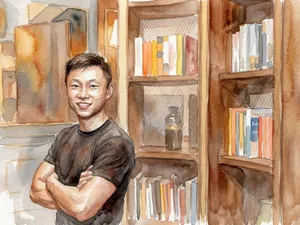
The collection · 156 plates
themorningfounder.com
Southeast Asia was built by people you’ve never heard of.
So I’m writing them down — one story every morning, seven days a week.
Researched from the primary record, written like a story rather than a case study, and illustrated with a watercolour of its own. It lands before you get to your desk.
Hanging now
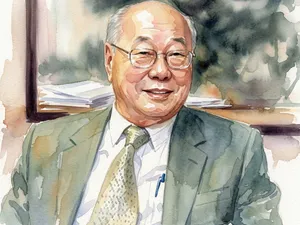
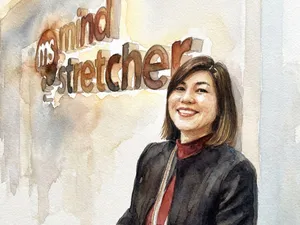
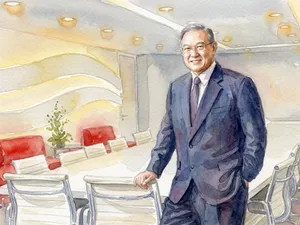
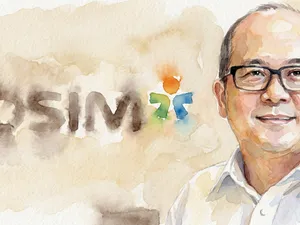
Every watercolour behind this label was made for one story. Twelve are catalogued below. The other 144 are in the archive.
The archive
You know the brand. Nobody ever told you how it actually happened.
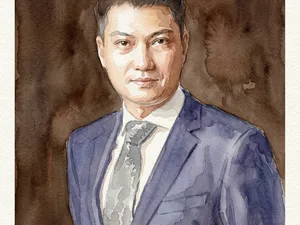
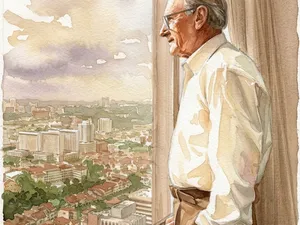
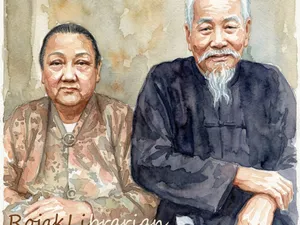
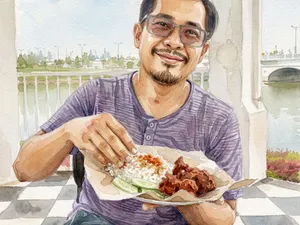
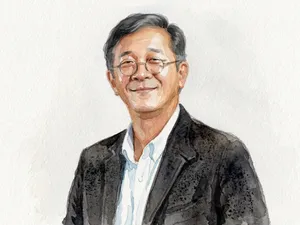
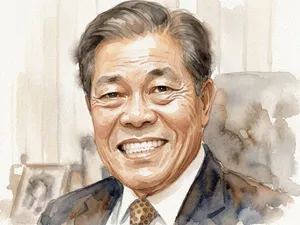
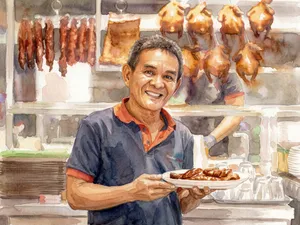
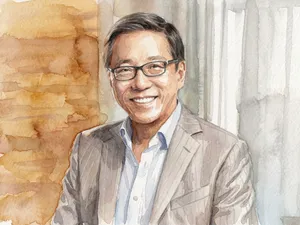
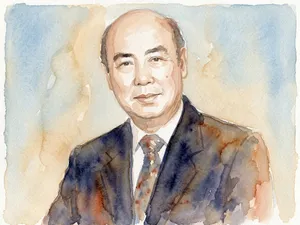
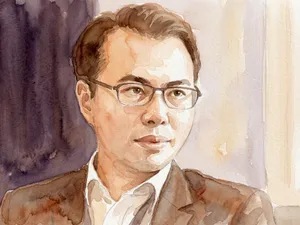
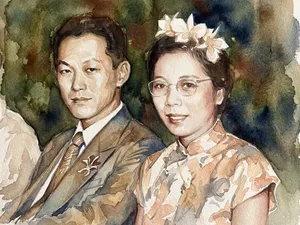
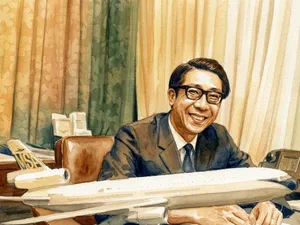
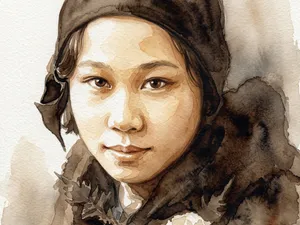
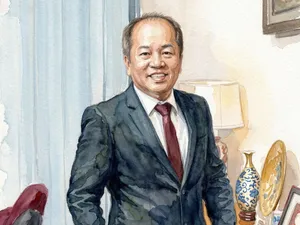
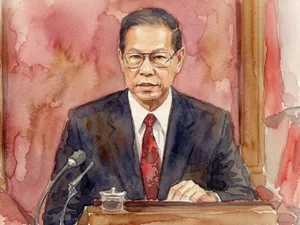
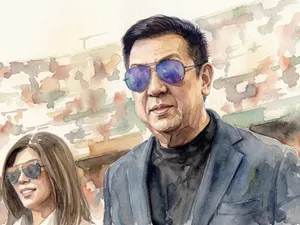
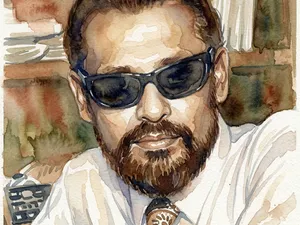
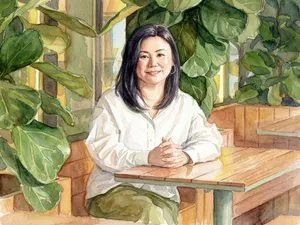
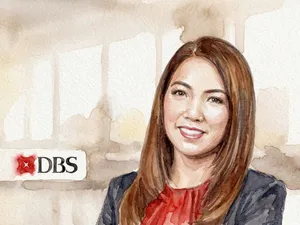
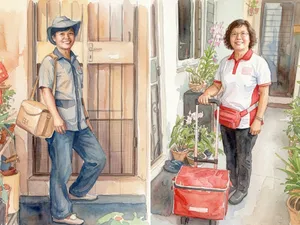
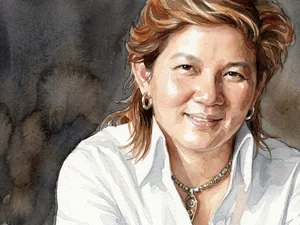
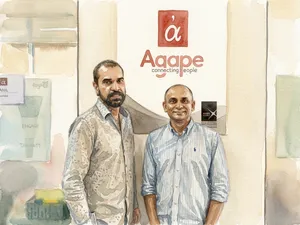
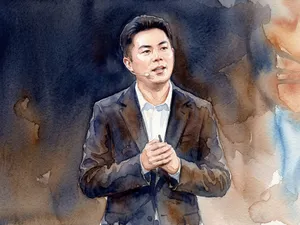
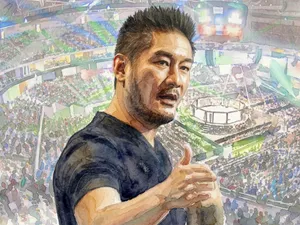
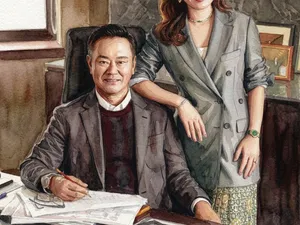
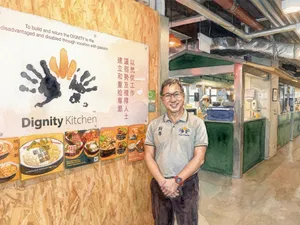
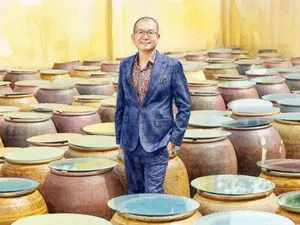
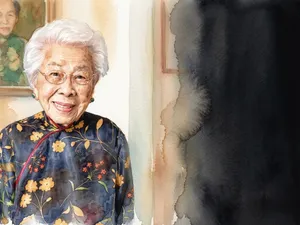
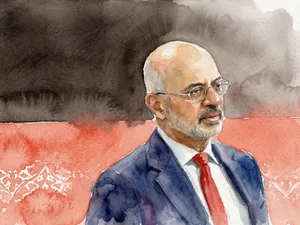
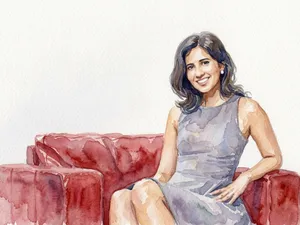
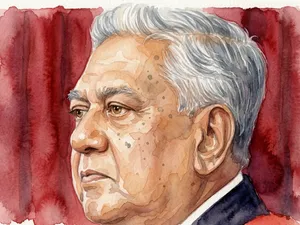
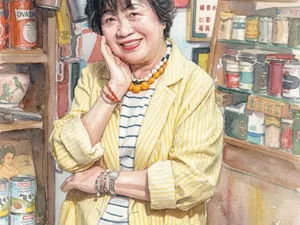
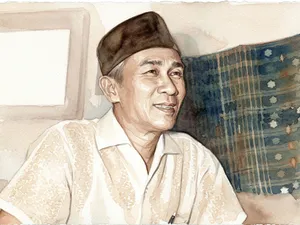
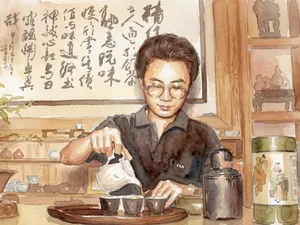
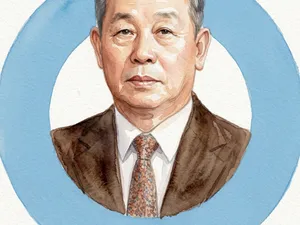
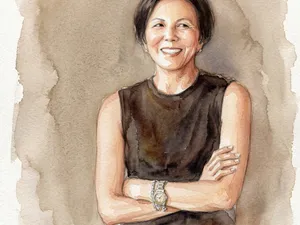
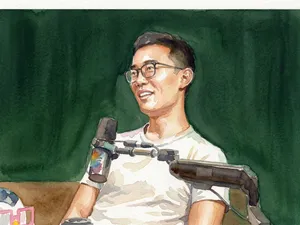
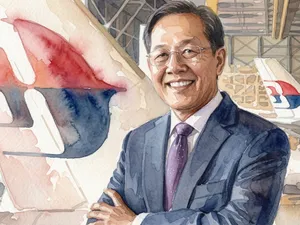
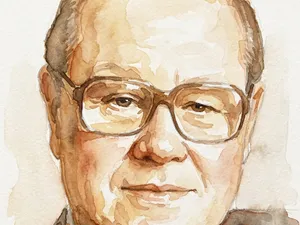
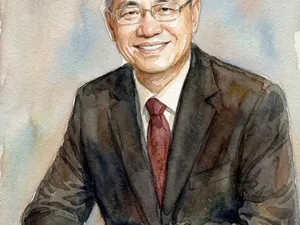
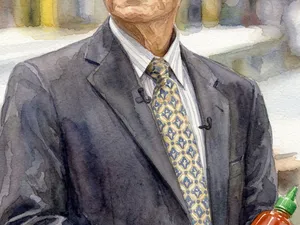
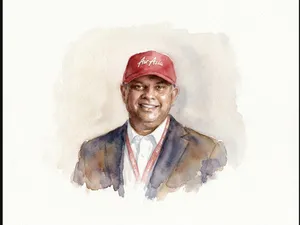
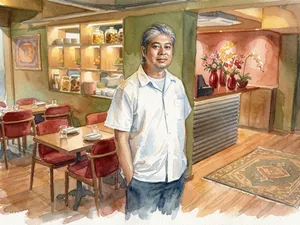
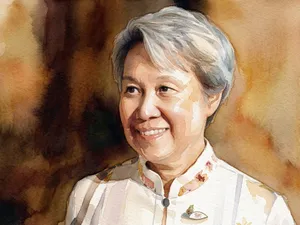
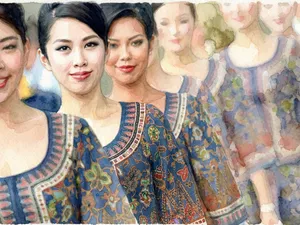
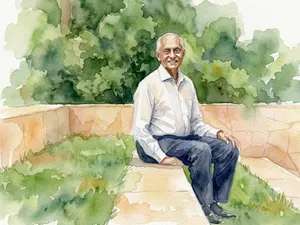
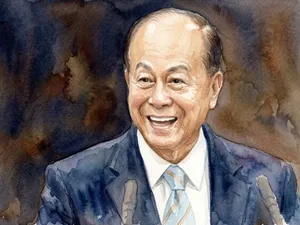
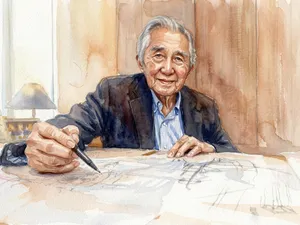
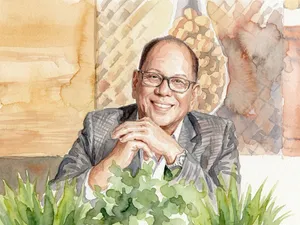
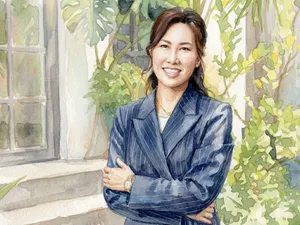
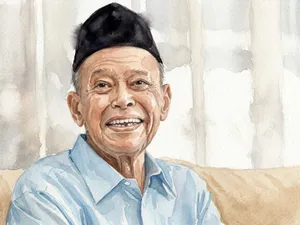
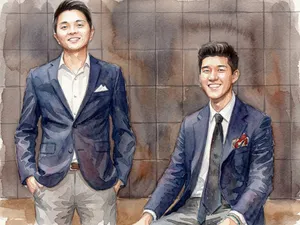
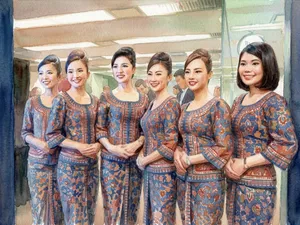
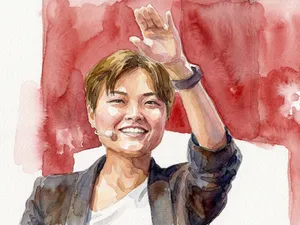
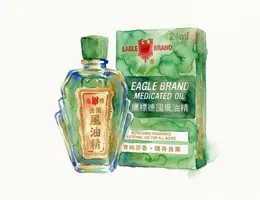
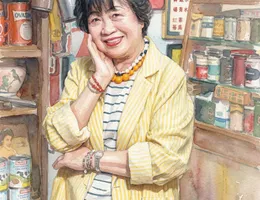
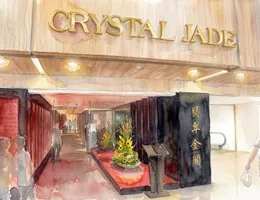
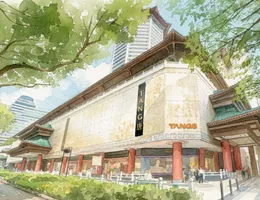
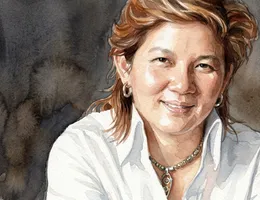
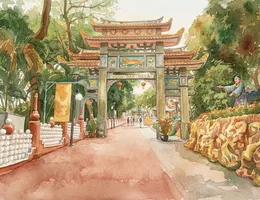
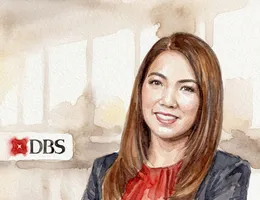
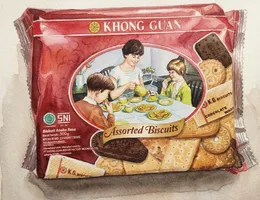
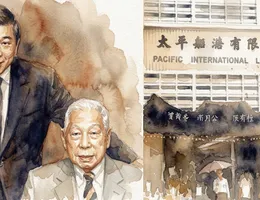
Every one of these turns on a decision that looked wrong at the time. And every one has a watercolour made for it — no stock photography, no grey archive scans. The shophouse, the sauce jar, the woman who has been behind that counter since 1978.
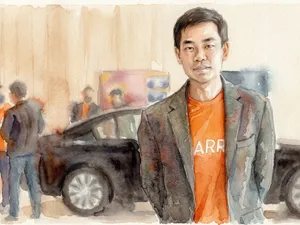
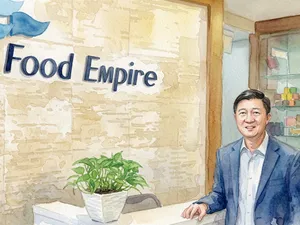
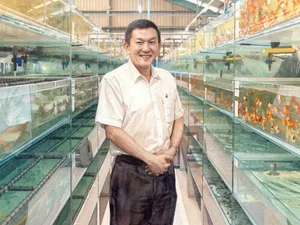
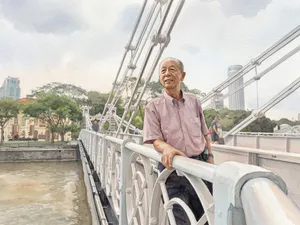
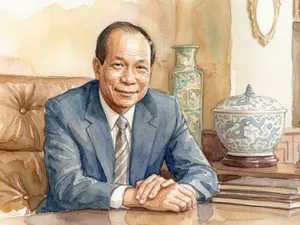
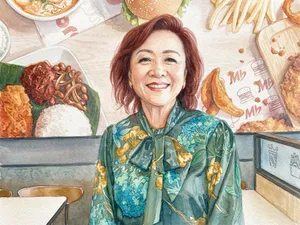
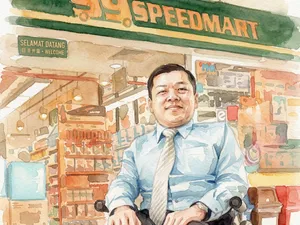
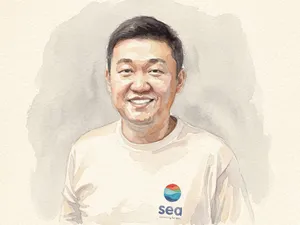
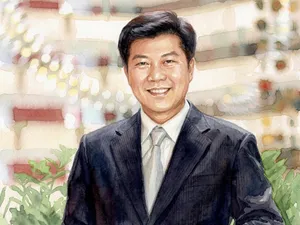
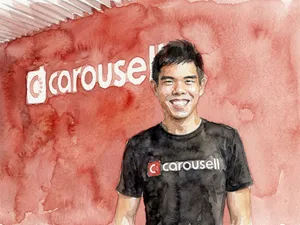
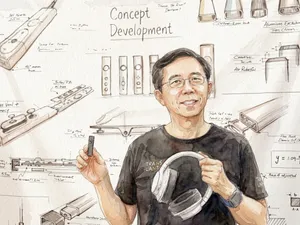
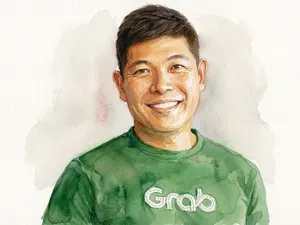
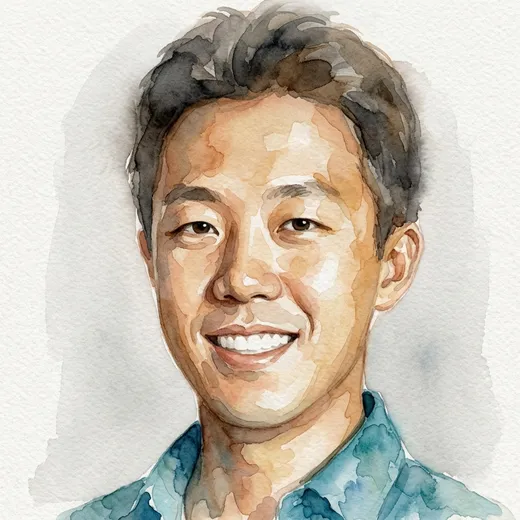 The billion-dollar company was built by a man whose bank account hit zero -- and whose family didn't know he'd quit his job.Plate 156SingaporeShopBack / Henry Chan
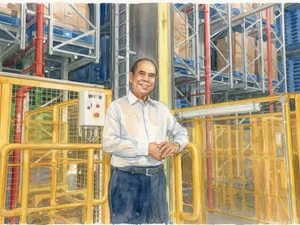
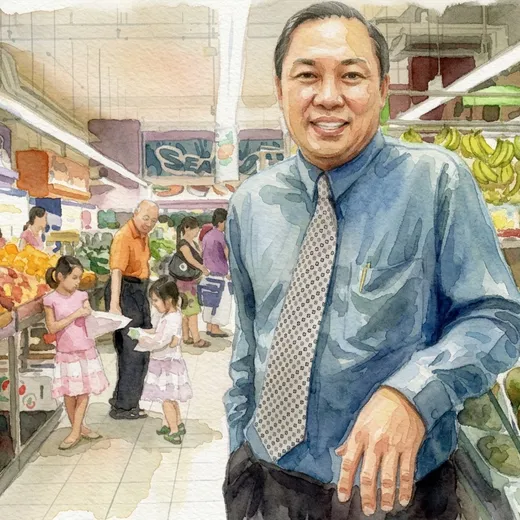 I've never met a Singaporean who couldn't tell you where their nearest Sheng Siong is. 90 stores. One of the two or three biggest grocers in the country…Plate 155SingaporeThe Family That Brought the Wet Market Indoors
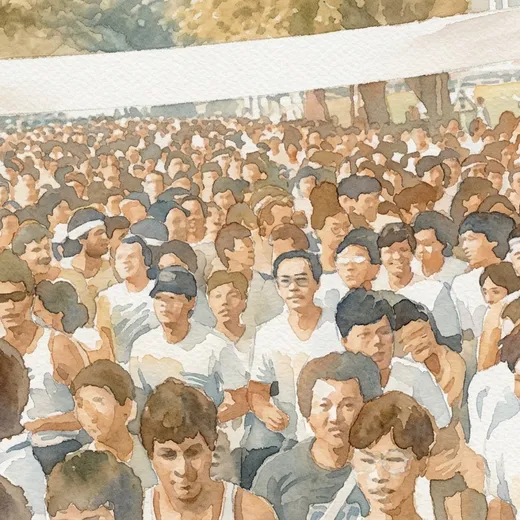 The "100" is the company's birthday, and the birthday was the deadline. That accident of corporate timekeeping put 100PLUS on the shelf in Malaysia in 1983, years before the brand that invented the category dates its own arrival in Asia to 1987.Plate 154Singapore & MalaysiaThe Drink Was Named After a Birthday. The Birthday Was the Deadline.
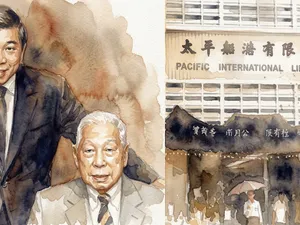
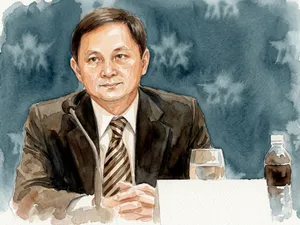
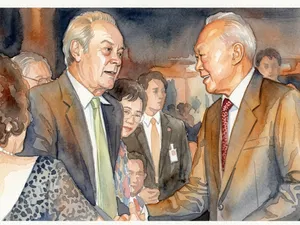
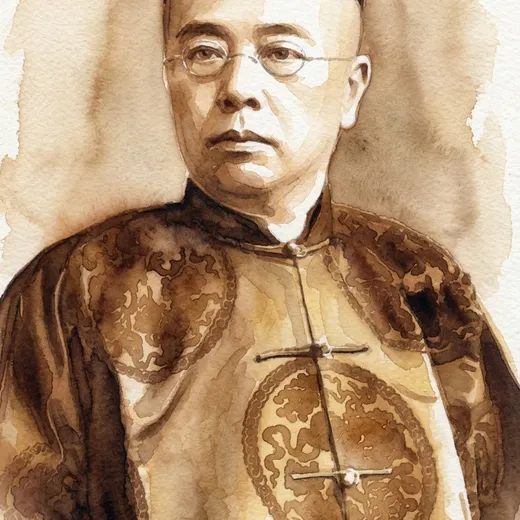 The government's yes was a priced no. He paid it, overshot it, then stood up in the Legislative Council and argued the school must belong entirely to the government — not to the people who had paid for it. He bought the excuse out, then refused the receipt.Plate 153SingaporeHe Paid For Singapore's First Medical School, Then Argued It Should Never Be His
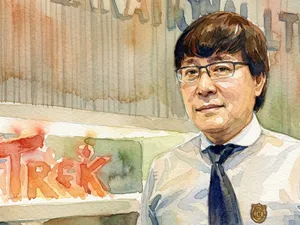
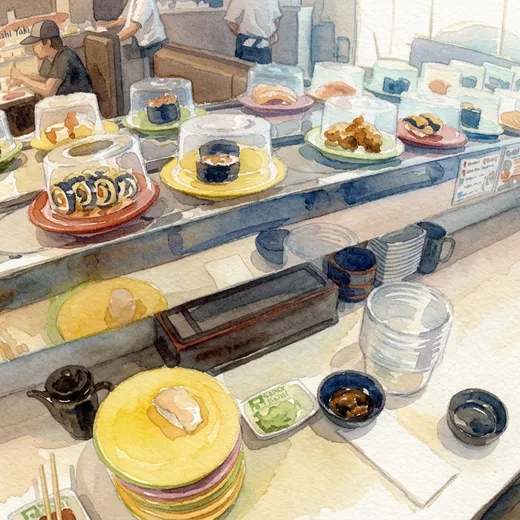 He flew to Japan to copy conveyor-belt sushi, then came home and threw out its pricing. One price for every plate. He took the price tag off the plate to sell more plates.Plate 152SingaporeHe Copied Conveyor-Belt Sushi, Then Threw Out Its Price List
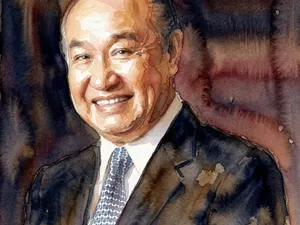
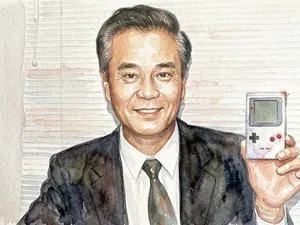
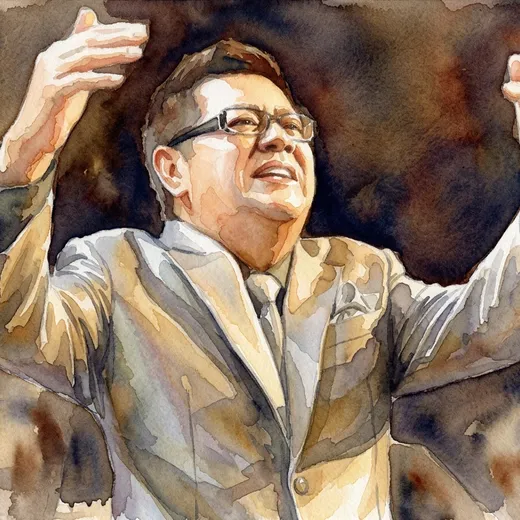 He arranged for Asia's biggest Chinese pop stars in a language he never spoke a word of, and used the salary to fund the national work nobody put his name on. The work that pays and the work that matters are two different jobs. He engineered one to buy the other.Plate 151SingaporeNobody Put His Name On It
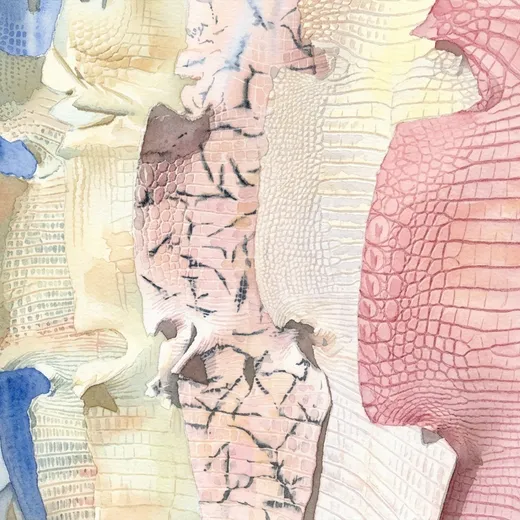 LVMH didn't buy a fashion house in Singapore. It bought a tannery — the ugliest point in the luxury chain — because that's where the scarce thing was. Own the scarce input, not the visible output.Plate 150SingaporeLVMH Didn't Buy a Fashion House. It Bought a Crocodile Tannery on Defu Lane.
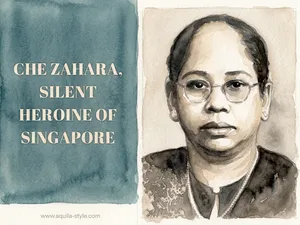
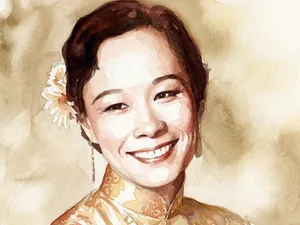
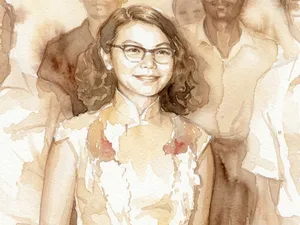
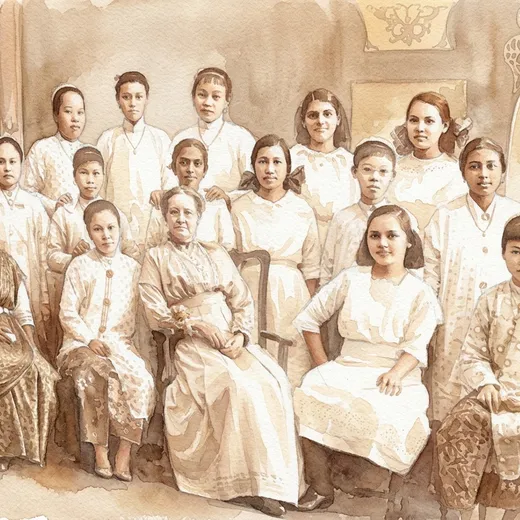 She didn't open a school and wait for pupils. She built the demand for girls' education before she built the school — then had to keep rebuilding it, by hand, for forty years.Plate 149SingaporeThe School That Had To Fetch Its Own Pupils
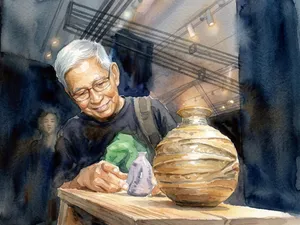
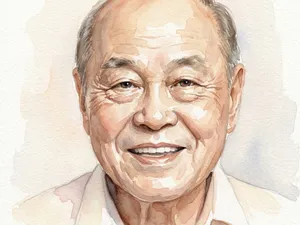
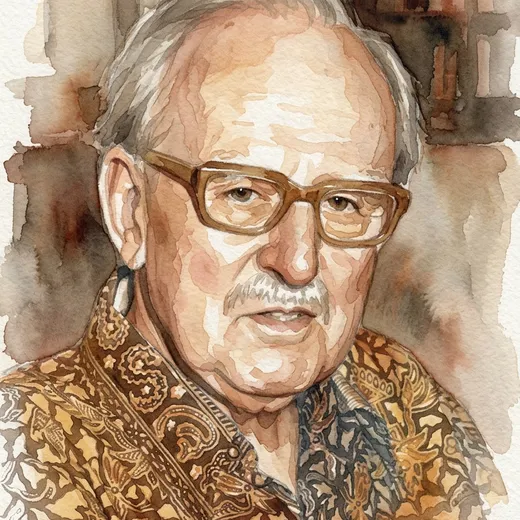 He ran the government orchid lab as a service for hobbyists and published the method until they no longer needed him. He is credited with 28 hybrids. Singapore registered over 2,000 grex names by the turn of the century.Plate 148SingaporeHe Taught Singapore To Breed Orchids, Then Taught It To Stop Needing Him
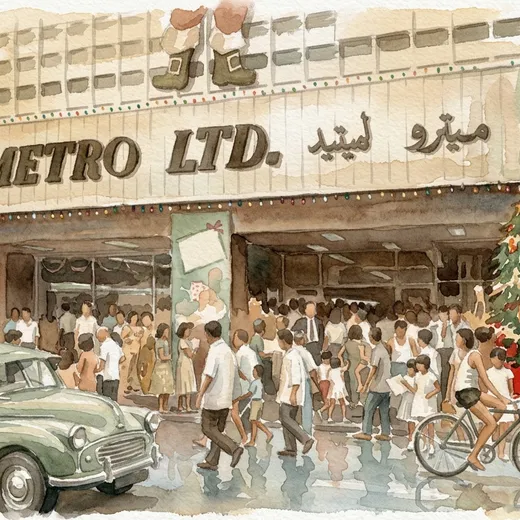 He treated twenty-five years on somebody else's payroll as tuition, not a trap. Then politics pushed him out of Indonesia, and the tuition was the only thing that crossed the water with him.Plate 147SingaporeTwenty-Five Years On Somebody Else's Payroll
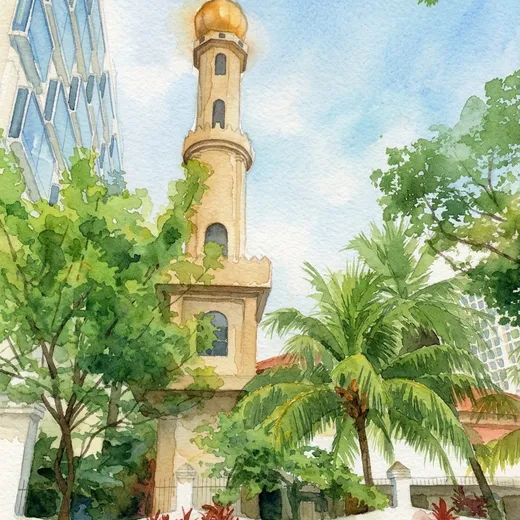 The principal Arab merchant of a new free port deliberately made his best asset permanently unsellable — the wakaf over his Kampong Malacca mosque, which Muis calls the first in Singapore, is the only thing he owned that his family could not lose.Plate 146Singapore & MalaysiaThe Merchant Who Made His Best Asset Impossible To Sell
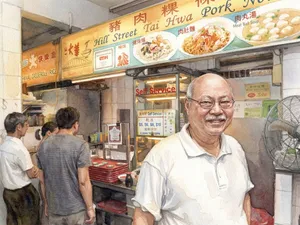
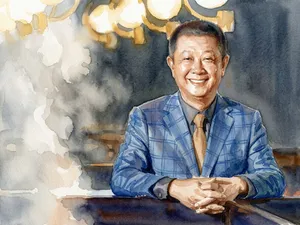
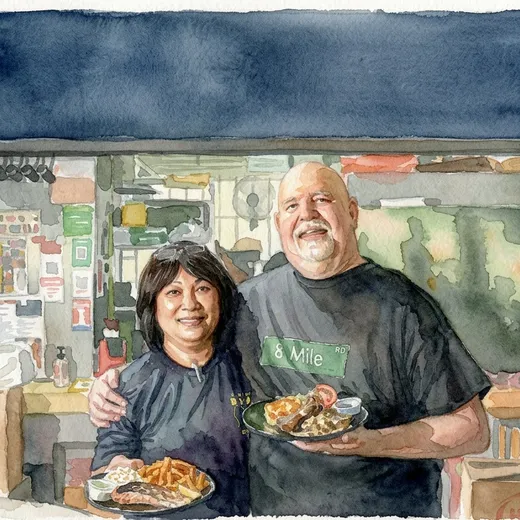 He spent eight years selling his own food under other names — including one deliberate move upmarket — and none of it took, even after the chain carrying his name folded and stopped trading against him. Then he put the name back on the door and sold out by 3pm. The brand was the asset.Plate 145SingaporeHe Took His Own Name Off The Sign. It Took Eight Years To Find Out What That Cost.
Who writes this
Joel Chue
Singapore
Writing daily since 2024
I kept running into stories nobody had bothered to write down properly.
Not because they were secret. Because nobody in this region treats its own business history as worth the effort. The company histories exist, in annual reports and court filings and oral history transcripts and out-of-print books that one library still holds. Somebody has to go and read them.
So I did. The first one I wrote up was a Malaysian engineer who made 200 jars of sambal, got the recipe wrong, and refunded every single customer. I thought a few dozen people might find it interesting.
Four thousand did.
So I wrote another, and then kept going. One goes out every morning, seven days a week, at 1,200 to 1,800 words, with a watercolour made for it. There is no news in it. There is no round-up. It is one company, one decision, and why the obviously wrong move turned out to be the right one.
If we have met at an event and I would not stop talking about a chilli sauce factory, this is the thing I was talking about.
Tomorrow morning
Free, seven days a week
One story, finished, in your inbox before you sit down.
Southeast Asian business history, researched from the record and illustrated. 156 in the archive and one more every morning.