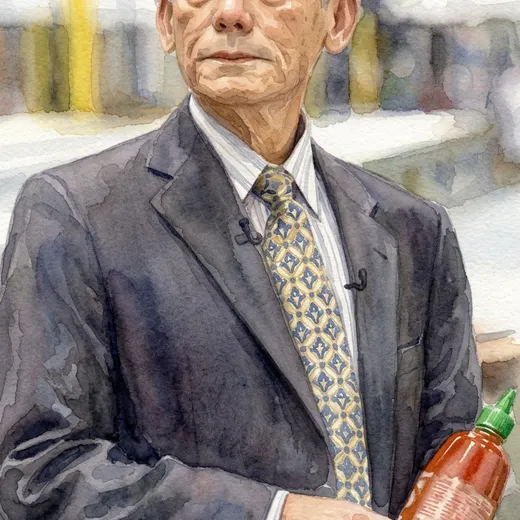
SAM GOI / Tee Yih Jia "Popiah King"
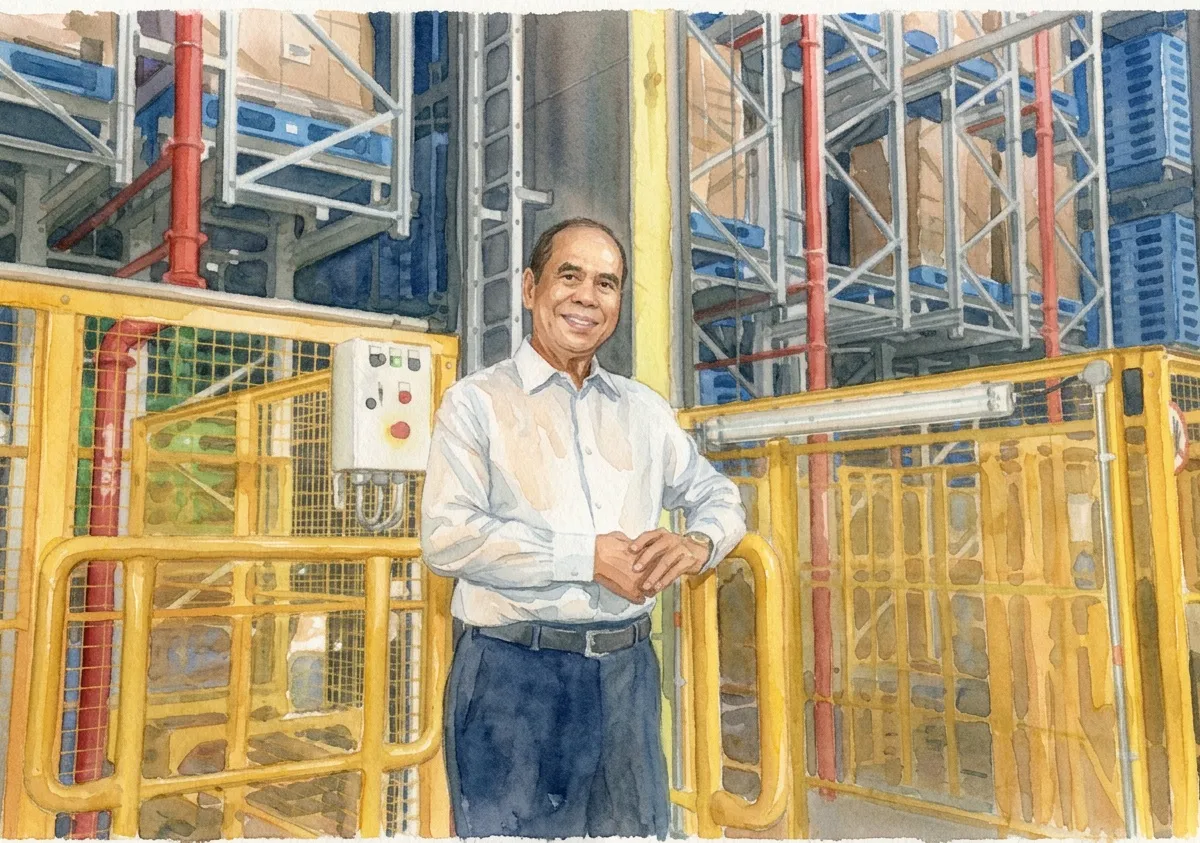
He bought a failing popiah factory as a favor to a friend.
Today he makes 30 million spring roll skins a day.
Net worth: S$3 billion.
Here's the story of Singapore's "Popiah King."
Sam Goi was born in Fuqing, China. At age 6, he and his mother boarded a cargo ship to Singapore.
They slept on the cargo. For a month.
When they arrived, the whole family lived in one room.
Goi attended Dunman High School. Dropped out before graduating.
At 19, he started working at his father's grocery store. Then took a S$10,000 loan from his father to start a motor rewinding workshop.
That business did okay. But in 1977, a friend asked for a favor.
The friend was struggling with a small popiah factory called Tee Yih Jia. Asked Goi to buy it and let him keep running it.
Goi agreed. Paid S$450,000.
Three years later, circumstances changed. The friend couldn't continue. Goi had to take over himself.
Problem: The factory was making popiah skins by hand. 3,200 skins a day. Labor-intensive. Couldn't scale.
Everyone said: "That's how popiah has always been made. You can't automate it."
Goi asked: "Why not?"
He brought in technicians. Designed the world's first automated popiah skin machine.
By 1982: 25,000 skins a day.
By the late 1980s: 30 million skins a day.
The first decade was brutal. Goi did door-to-door sales himself. Targeted Chinatowns overseas. Convinced restaurant owners one by one.
His strategy: Start in places where people already knew what popiah was. Build from there.
It worked.
Today, Tee Yih Jia exports to 80+ countries. Brands include Spring Home, Happy Belly, and Masterchef.
Revenue went from S$300,000 in 1980 to S$62 million by 1999 — and hundreds of millions today.
Goi also expanded into frozen roti prata, samosas, fortune cookies, laksa, nasi lemak.
Net worth: S$3 billion. Singapore's 18th richest.
2014: Named "Businessman of the Year" at the Singapore Business Awards.
Three lessons:
1. Accidents become empires. Goi bought the factory as a favor. Didn't plan to run it. Sometimes the best opportunities find you — if you're willing to say yes.
2. Question the "always been done this way." Everyone said popiah had to be handmade. Goi automated it anyway. The constraint everyone accepts is often the opportunity nobody sees.
3. Start where you're understood. Goi targeted Chinatowns first. Sold to people who already knew the product. Then expanded outward. Don't fight for awareness — find it.
The dropout who slept on cargo now makes 30 million popiah skins a day.
What's the "handmade" process in your industry that everyone assumes can't be automated?
This is the LinkedIn edit — written to fit inside 3,000 characters. Newer stories are written in full first, and the newsletter gets the whole thing.