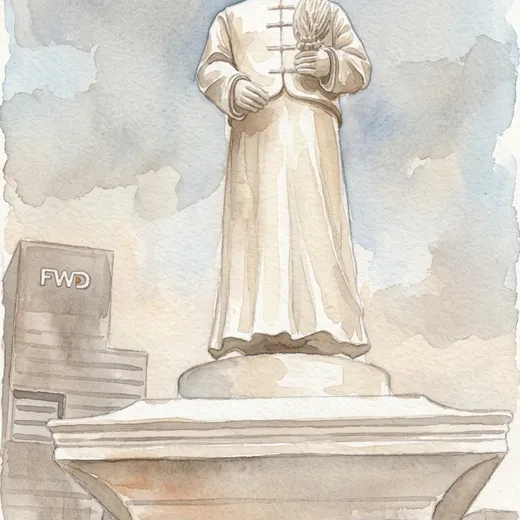
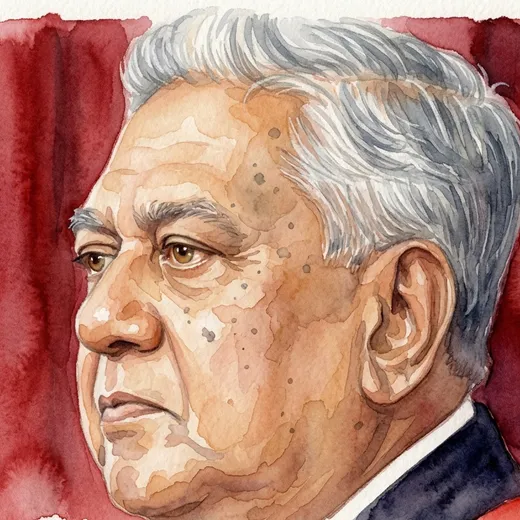
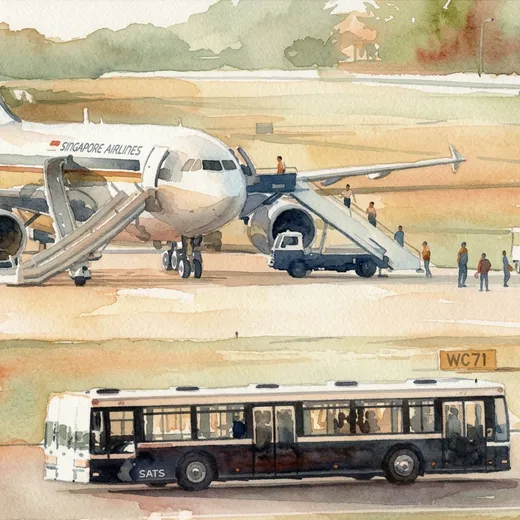
Zubir Said / Majulah Singapura
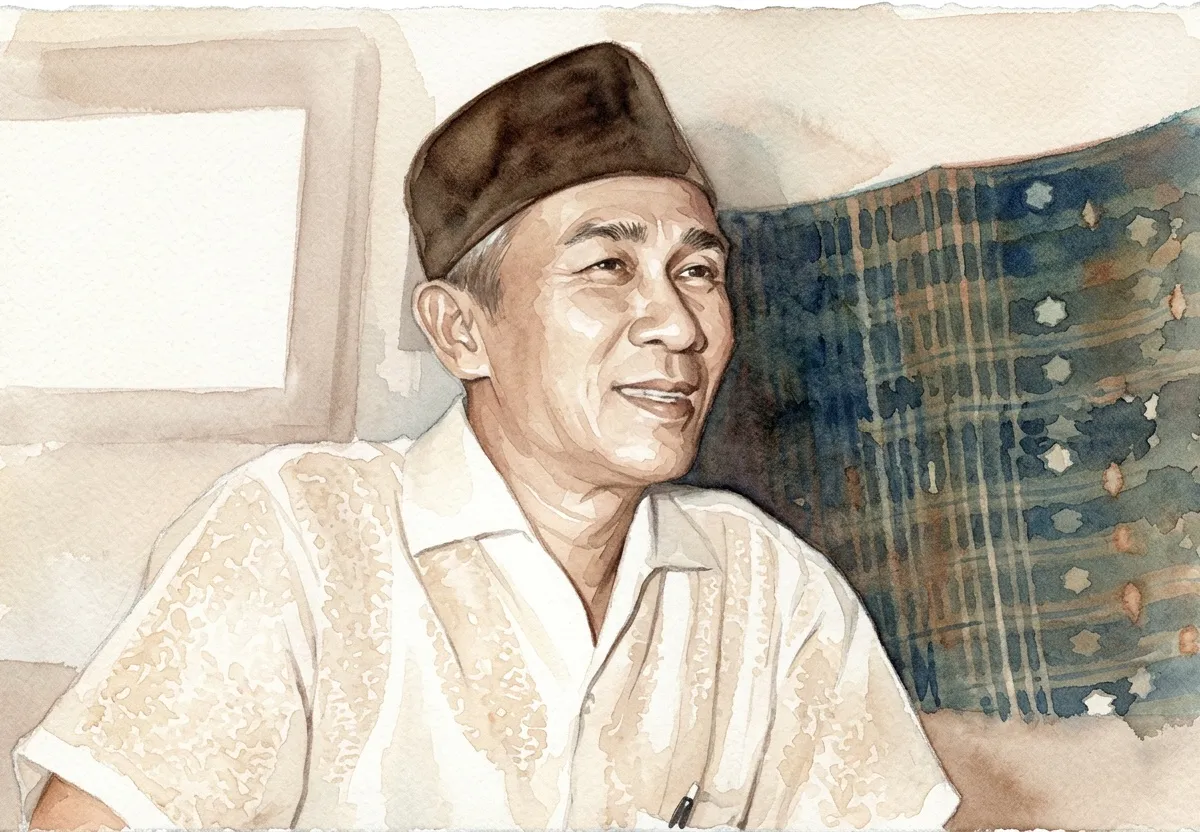
He left home on a cargo boat with no blessing. 30 years later, his 101-year-old father traveled to Singapore to hear that anthem performed for the first time.
Every Singaporean has sung "Majulah Singapura."
At school assemblies. National Day. Before movies in the cinema. You know every word. Eight sentences. Twenty-five words. The most familiar melody in the country.
Here's what I didn't know until recently:
The man who composed it was an Indonesian immigrant whose father said music was haram.
His name was Zubir Said. Born in 1907 in Bukittinggi, West Sumatra. His father was the village headman — wanted Zubir to become a Dutch officer, marry four wives, and carry on the family name.
But Zubir had other ideas. As a boy, he carved bamboo flutes with his friends and taught himself to play. Every note was an act of defiance.
At 21, he left home on a cargo boat. No blessing. No permission. A sailor friend had described Singapore as a land of "glittering lights, kopi susu, and butter."
He wouldn't speak to his father for over 30 years.
In Singapore, Zubir scraped by. Took photos for identity cards between music gigs. Sold his own books to pay for his children's education. Composed constantly — over 1,500 songs in his lifetime. Less than 10% were ever recorded.
Then in 1958, Singapore's City Council asked him to write a song for the reopening of Victoria Theatre. Not a national anthem. Just a ceremony piece.
He called it "Majulah Singapura" — Onward Singapore.
He kept the Malay simple on purpose. "Not too deep and not too difficult," he said. Something every race in Singapore could understand and sing. Eight sentences. Twenty-five words. That was it.
A year later, Singapore gained self-governance. They needed an anthem.
They chose his song.
December 3, 1959. "Majulah Singapura" was performed for the first time as the national anthem. In the audience sat a man who had traveled from Indonesia for this moment.
Zubir's father. Age 101.
The man who called music haram had come to hear his son's music become the anthem of a nation.
Zubir Said died in 1987 with $20,000 to his name and no family home. A year before his death, someone wrote to The Straits Times suggesting a Canadian ad man's jingle, "Count on Me, Singapore," should replace his anthem. He called it "a slap in my face."
He composed a nation's identity. Most Singaporeans can't name him.
Next time you sing those 25 words, remember the man who carved bamboo flutes as a boy, left home without his father's blessing, and gave Singapore its voice.
What's something you experience every day without knowing the person behind it?
This is the LinkedIn edit — written to fit inside 3,000 characters. Newer stories are written in full first, and the newsletter gets the whole thing.