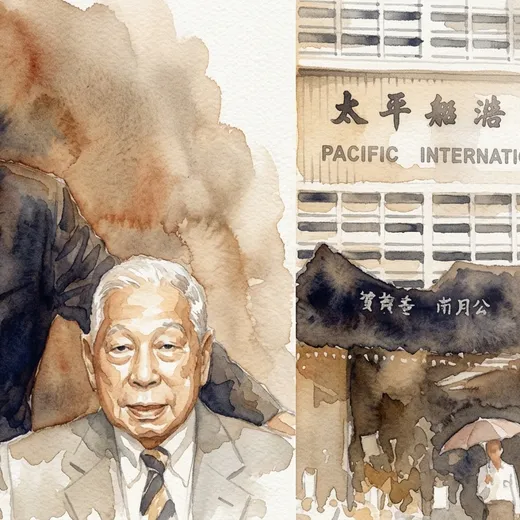
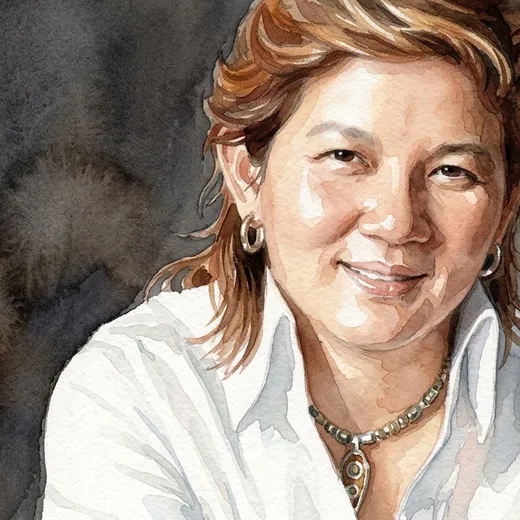
Chan Choy Siong
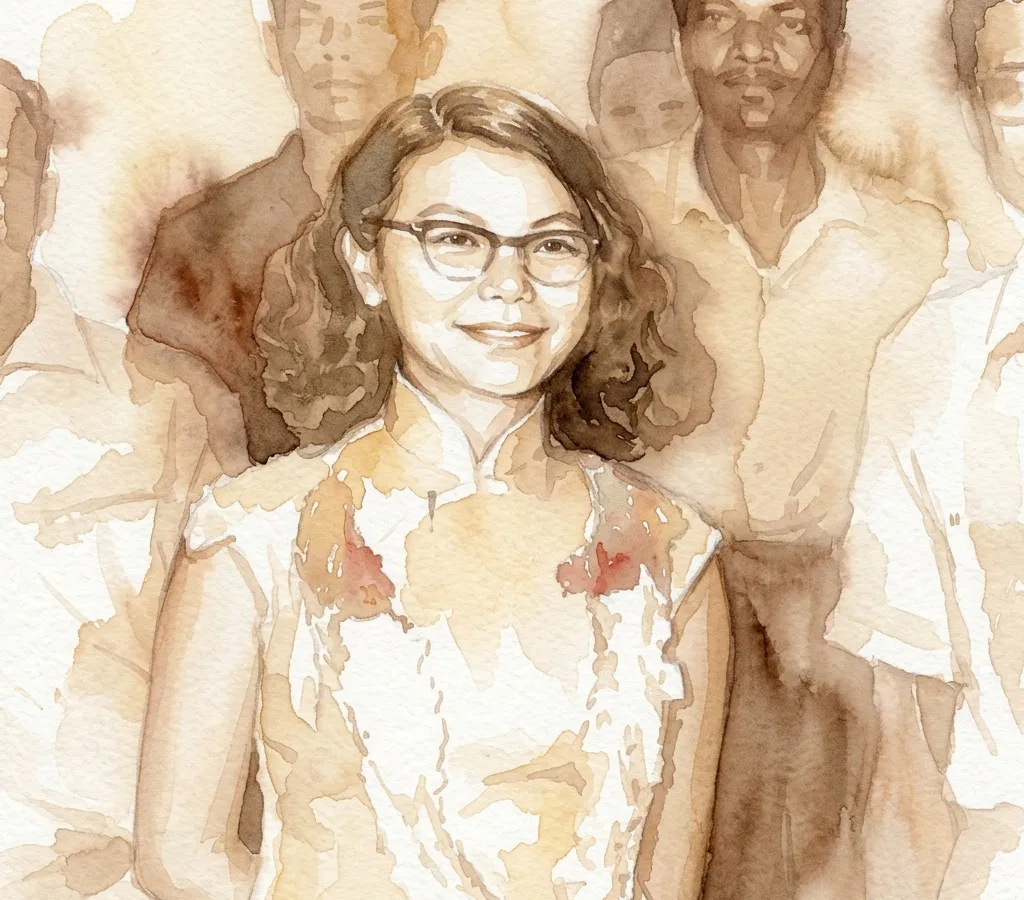
Conviction beats credentials. She had no legal training — but she had fury, and it moved a law that lawyers hadn't.
Every married couple in Singapore lives under a law written in 1961.
You've probably never heard the name of the person who forced it through.
I hadn't either.
We file the Women's Charter under the usual heading. PAP. Lee Kuan Yew. The founding fathers who built modern Singapore. That's the version most of us grew up with.
Here's the part nobody talks about.
The person who fought hardest for that law wasn't a lawyer. Wasn't a man. Wasn't LKY.
She was a hawker's daughter from Chinatown.
Chan Choy Siong grew up helping her father at his chee cheong fun stall, folding rice noodle rolls between classes. She made it to Nanyang Girls' High, but the money ran out before she could finish pre-university. No degree. No law training. She wasn't a credentialed anything.
What she had was fury.
She joined the PAP in 1955, at 23. By the next year she'd co-founded the party's Women's League, building branches while most of the men treated women's issues as a footnote.
Then came the Charter. A law to end polygamy. To outlaw child marriage. To put a wife on equal legal footing with her husband — property, divorce, protection.
You'd think a bill like that would sail through. It didn't. The resistance came from inside her own party. From men who didn't want the rules changed.
So on 6 April 1960, she stood up in the Legislative Assembly and said this:
"Women in our society are like pieces of meat put on the table for men to slice."
No hedging. No legal citation. Just the true thing, said plainly, in a room full of people who'd have preferred she soften it.
She didn't win with case law. She won with a sentence.
The Women's Charter passed in 1961. It's still the backbone of Singapore family law today. Every marriage in the country runs on it.
She retired from politics in 1970. Died in a car crash in 1981, only 49.
Here's the thing that keeps coming back to me.
The law is remembered as a government win. The signatures on it belonged to men with titles and degrees.
But the force that cracked it open belonged to a woman who never earned a degree and never studied law — who just refused to be told her anger wasn't an argument.
Conviction moved a room that credentials couldn't.
Whose name do you think history filed under the wrong person?
This is the LinkedIn edit — written to fit inside 3,000 characters. Newer stories are written in full first, and the newsletter gets the whole thing.