Chew Boon Lay
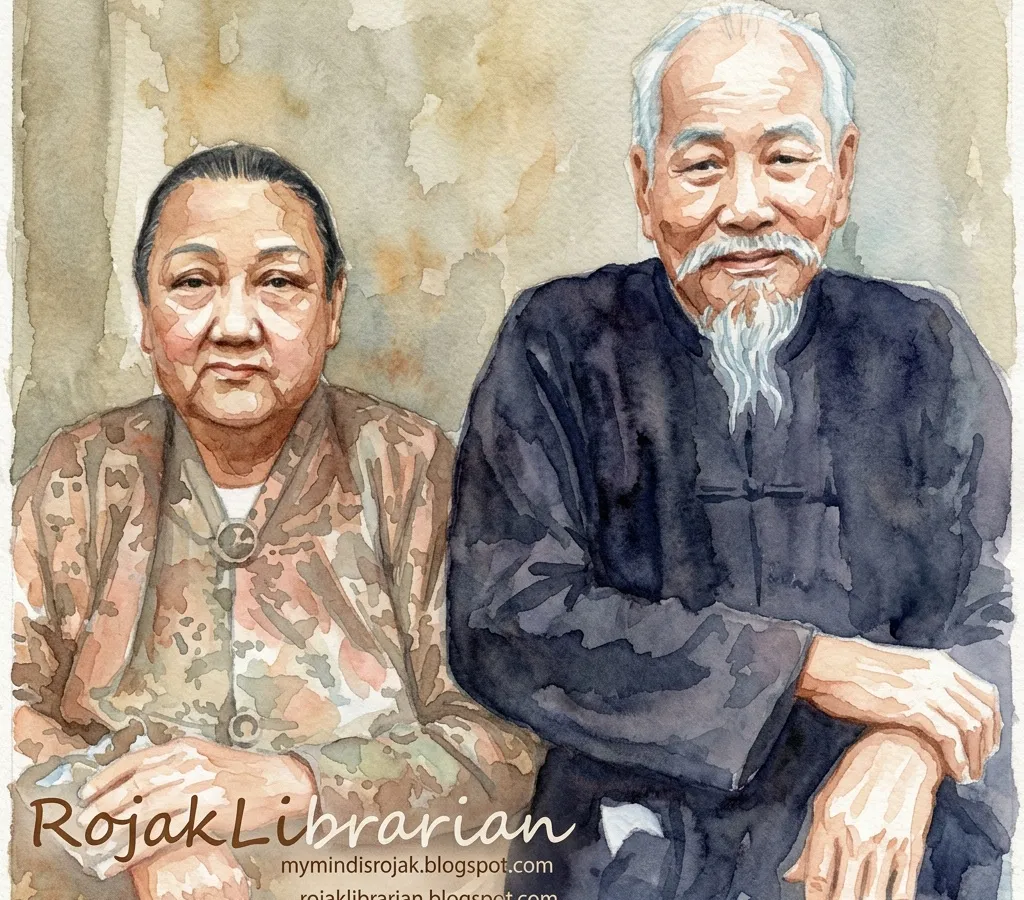
He borrowed 1 tical, prayed to Kwan Yin, won 900. The only former slave with an MRT station named after him.
I've tapped in at Boon Lay MRT more times than I can count. Never once asked who Boon Lay was.
Here's what I didn't know until recently: he was a slave.
Not metaphorically. Chew Boon Lay was orphaned as a teenager in China, travelled to Bangkok to live with his uncle, and was put to work for three years with almost no pay. When he tried to leave, his uncle accused him of stealing 600 ticals. A debt he didn't owe, designed to keep him trapped.
But here's where it gets interesting.
Chew borrowed 1 tical from his aunt. One. He didn't use it to buy food or pay down the fake debt. He bought a lottery ticket and prayed to Kwan Yin for a miracle.
He won 900 ticals.
Paid back the 600 he never owed. Returned the 1 tical to his aunt. Kept 299. And walked out of his uncle's house forever.
Most people hear "lottery" and think luck. But Chew understood something about his situation that most people miss: within his uncle's system, he would never accumulate enough to escape. The math didn't work. Incremental saving against a rigged debt is a losing game. The only exit was an asymmetric bet.
He didn't just escape either. He got work as a clerk on trading junks between Bangkok and Singapore. The job came with a perk -- a small cargo space for personal trade. Most clerks used it for pocket money. Chew used it to build capital. Eventually bought his own junk and sailed to Singapore.
In Singapore, he started a soap business, then a biscuit factory. But the real move was buying acres of mosquito-infested jungle in Jurong that nobody wanted. Worthless swampland. He planted pepper and gambier, then read the market and switched to rubber right before demand exploded.
That single crop pivot built his fortune.
He died in 1933. Today he has roughly 700 descendants, a housing estate, an MRT station, and multiple roads carrying his name.
Here's the thing that keeps coming back to me: Chew Boon Lay wasn't a philanthropist who built universities or hospitals. His legacy is literally in the ground. He bought jungle that became a neighbourhood. The NLB says he "might not have left so strong a mark as the other philanthropic forefathers of our nation."
But how many of those forefathers have an MRT station?
Sometimes the most lasting legacy isn't a monument you build. It's a bet on land nobody else wanted.
What's a place name in Singapore you walk past every day without knowing the story behind it?
This is the LinkedIn edit — written to fit inside 3,000 characters.