Din Tai Fung / Yang Bing-Yi
The most scalable thing in business is the refusal to scale.
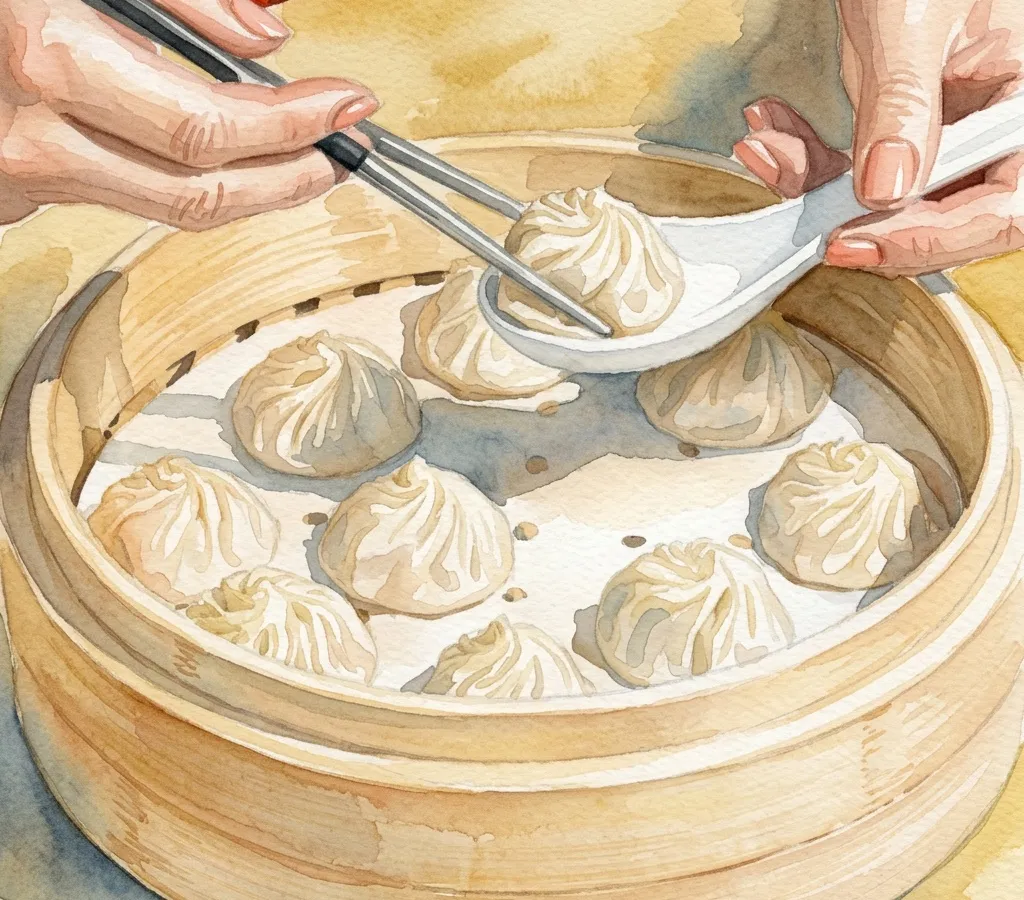
Every dumpling at Din Tai Fung weighs exactly 21 grams.
5 grams of wrapper. 16 grams of filling. Exactly 18 folds. Not 17. Not 19.
Don't believe me? Next time you're there, look through the glass. Watch the chef place each dumpling on a tiny scale before it goes in the steamer. Every single one. All day long.
I've eaten at Din Tai Fung more times than I can count. The queue, the bamboo steamers, that first bite where the broth bursts through the skin. Every single time, it tastes exactly the same. Now I know why.
Here's what I didn't know until recently:
The man who started it was a cooking oil delivery man who had never made a dumpling in his life.
Yang Bing-Yi fled China as a war refugee in 1949. Part of a two-million-person exodus to Taiwan. He arrived with $20.
For 14 years, he delivered peanut oil. Slept in the back of the shop.
Then in 1972, mass-produced soybean oil in cheap tins killed his business overnight.
He was 44. No savings. No skills besides oil delivery.
A friend suggested dumplings. Yang had never cooked professionally. He hired a chef. The chef left. He hired another. That second chef's recipe became the one you've eaten.
But here's where it gets interesting.
In 1993, the New York Times named Din Tai Fung one of the top 10 restaurants in the world. Suddenly, everyone wanted in.
Most founders would've expanded immediately. Franchised. Capitalized on the press.
Yang's response? He reduced his serving days.
He literally served fewer customers because he couldn't maintain quality at the volume the article created.
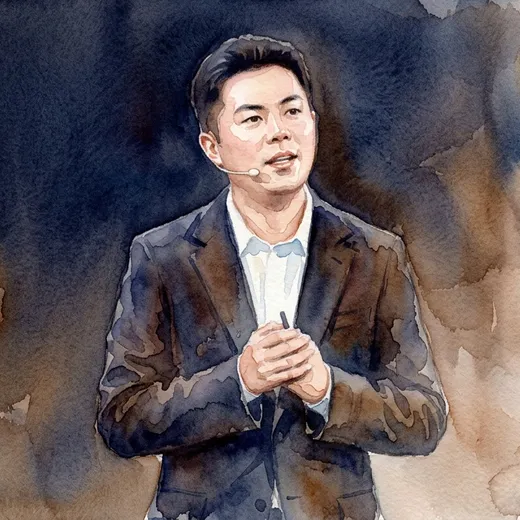
His grandson, now co-CEO, has continued this. When asked about going public, his answer is always the same:
"We will never go public. If we're not able to execute in the right way, we as a family wouldn't feel comfortable."
They spend 46-48% of revenue on labor. Industry standard is 30%. They staff one employee per seat. A 450-seat Manhattan location employs 500 people.
The result of all this restraint?
$27.4 million in average revenue per US location. Higher than McDonald's. Higher than Chick-fil-A. Higher than Cheesecake Factory. Not even close.
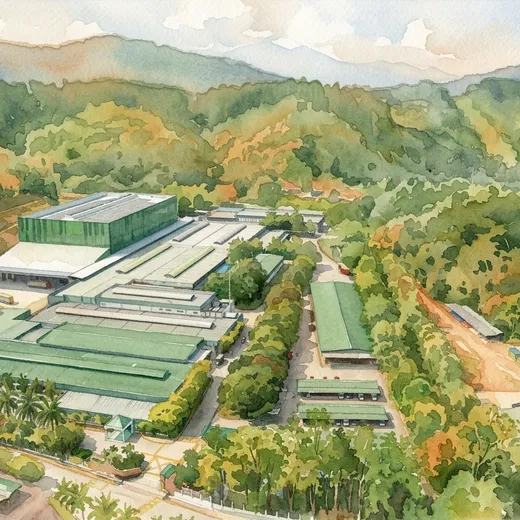
180 locations across 13 countries. No advertising. No franchise model. No IPO.
Here's the thing that keeps coming back to me:
Every business book tells you to scale fast. Capture market share. Franchise. Go public.
The Yang family ignored all of it for 50 years. They weighed each dumpling to the gram and said no to everyone who wanted them to grow faster.
And their reward for refusing to scale is the highest-performing restaurant chain on earth.
Sometimes the most scalable thing you can build is the discipline to say: not yet.
What's something in your business you've been pressured to scale — that might actually be more valuable kept small?
This is the LinkedIn edit — written to fit inside 3,000 characters. Newer stories are written in full first, and the newsletter gets the whole thing.
This ran on LinkedIn on 22 March 2026. See the original post · 306 reactions