Spritzer / Lim Kok Cheong
The unfair advantage nobody sees is the boring business you already built.
If you've eaten at a Malaysian restaurant, you've seen the green bottle on the table.
Spritzer. Half of every mineral water sold in Malaysia comes from one company.
Here's what I didn't know until recently:
The man who built it was a cooking oil delivery driver earning RM100 a month.
Lim Kok Cheong's grandparents sailed from Fujian, China on a cargo ship — lower deck — to tap rubber in Malaya. His family moved seven times during the war and communist emergency. He attended seven primary schools and three secondary schools.
After school, he delivered cooking oil in a van around KL. Slept on a canvas bed on the office floor.
He saved RM5,000, pooled money with relatives, and in 1968 started Yee Lee — an edible oil company in Taiping. Built a refinery. Launched Red Eagle cooking oil. Spent 20 years building a distribution network delivering to 30,000 retail customers nationwide.
Steady. Profitable. Boring.
Then in 1989, he started selling bottled water.
"Everyone laughed at me and told me that I was crazy."
Malaysians drank tap water. Restaurants served tap water. Paying for water was absurd.
But Lim didn't sell water to thirsty people. He sold it to nightclub owners.
His pitch: "You've paid a lot for your whiskies. It would be a waste to mix them with tap water."
He wasn't selling hydration. He was selling a reason to not insult your own whisky.
Nightclub owners got it immediately. Spritzer hit bar counters across KL. Restaurants followed. Then households.
It took four years before the business found its rhythm. Yee Lee's oil profits funded every month of the experiment.
But here's the part nobody talks about.
The real reason Spritzer won wasn't the water or the nightclub strategy.
It was the oil trucks.
Yee Lee already delivered cooking oil to 30,000 retail points across Malaysia. The routes were built. The relationships were in place.
Lim didn't build a single new delivery route. He put water bottles on the same trucks carrying cooking oil. By the time any competitor built logistics, Spritzer was already on every shelf in the country.
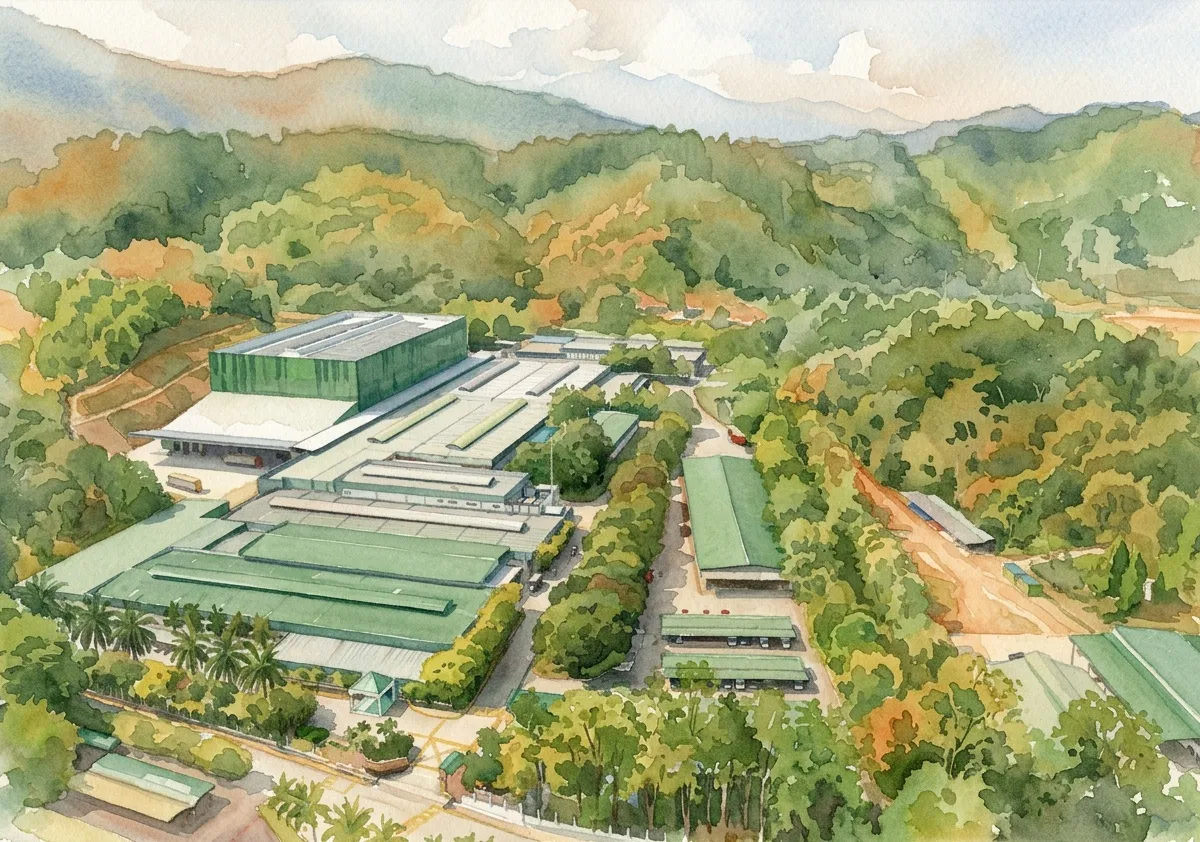
Today, Spritzer does RM579 million in revenue. Market cap crossed RM1 billion. The water comes from an aquifer under 400 acres of rainforest in Taiping — the same town his family landed in as refugees. It filters through 130 metres of rock for 15 years before reaching the source.
The source was under his feet the entire time.
Here's the thing:
Lim's unfair advantage wasn't the water. It wasn't the brand. It was a boring cooking oil distribution network he'd spent 20 years building without knowing what it would be used for.
The most valuable asset in his business was the one nobody — including him — would've called strategic.
What boring, invisible asset are you sitting on that could power something new?
This is the LinkedIn edit — written to fit inside 3,000 characters. Newer stories are written in full first, and the newsletter gets the whole thing.
This ran on LinkedIn on 24 March 2026. See the original post · 338 reactions