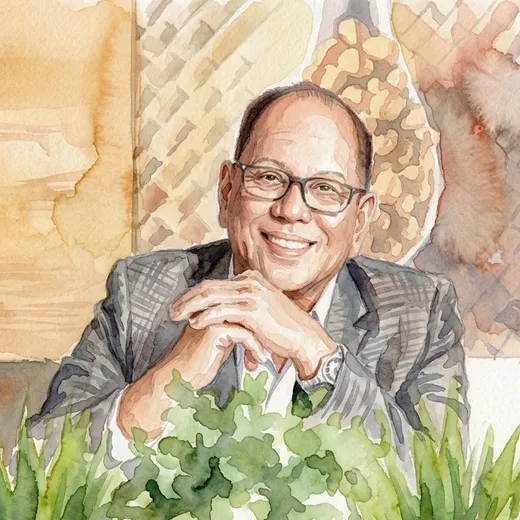
Mr. DIY / Tan Yu Yeh
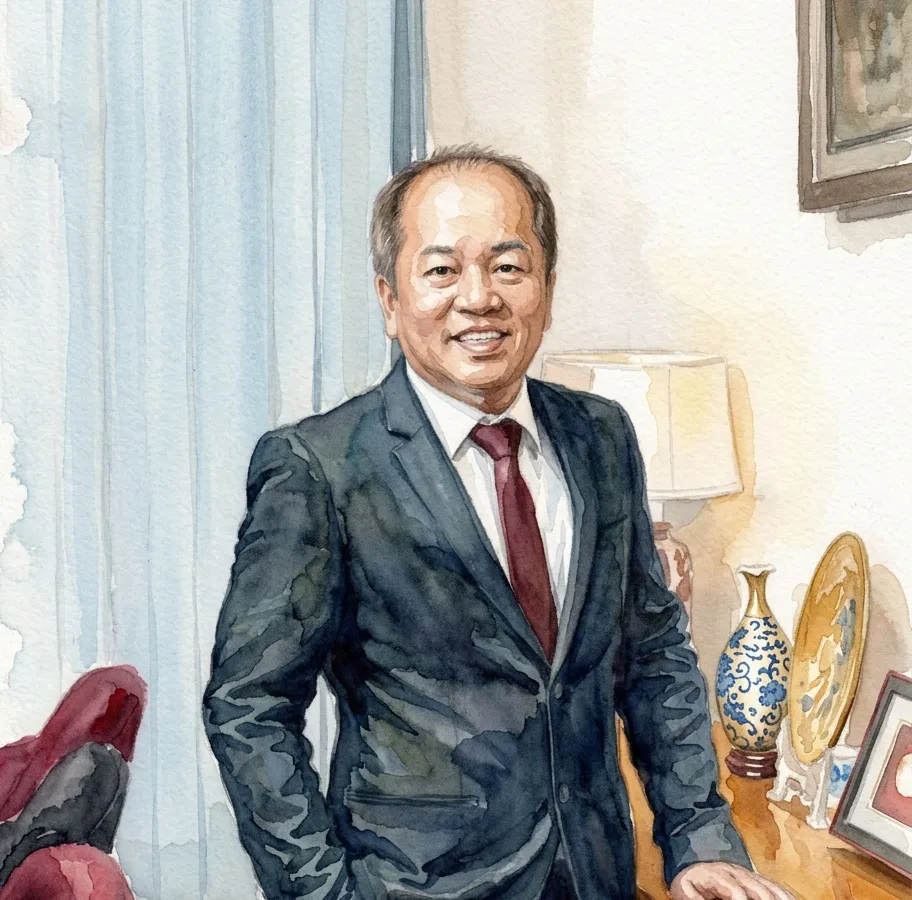
A physics graduate. A stockbroker. Zero retail experience.
Now he sells screwdrivers and lightbulbs. 5,000+ stores. $2.9 billion net worth.
Here's how Tan Yu Yeh built Mr. DIY — and did it by partnering with his competition.
In 2005, Tan Yu Yeh had spent years doing everything except retail.
Physics degree from University of Malaya. Engineering job at Komag USA. Then years as a remisier (stockbroker) at Inter-Pacific Securities.
He knew nothing about home improvement. Nothing about running a shop.
But he noticed something everyone else missed:
Malaysians couldn't find affordable home supplies without driving to multiple stores. Hardware shops were expensive. Hypermarkets were inconvenient. There was a gap.
So he opened a small store on Jalan Tuanku Abdul Rahman in Kuala Lumpur.
Called it Mr. DIY. Do It Yourself.
Here's what nobody expected:
Instead of opening standalone stores, he went inside the competition.
AEON malls. Tesco. Giant. The places where other retailers would never go.
Everyone said: "Why would you partner with your competitors?"
The CEO's answer was simple: "Our stores are a one-stop centre for everything a home could need — except groceries. We fill a gap in their businesses."
He wasn't competing with malls. He was completing them.
The other counterintuitive move?
18,000 products. "Always Low Prices."
Most retailers pick one. Selection OR price. Tan picked both.
By 2011, his younger brother Yu Wei joined (also zero retail background — he'd been running a China product wholesale business). They built the logistics and procurement systems from scratch.
The growth was relentless.
October 2020. Middle of the pandemic. Everyone's locked down.
Mr. DIY IPOs. Malaysia's largest listing since 2017.
The brothers went from unknown to Forbes' top 10 richest Malaysians. Overnight.
Why? Because during lockdowns, Mr. DIY stores stayed open. They sold "essential goods" — the things you need when you're stuck at home fixing everything yourself.
The market cap hit RM10 billion. Stock jumped 9.4% on day one. Within months, up 168%.
Today: 5,000+ stores across 10 countries. Malaysia, Thailand, Indonesia, Philippines, India, Turkey, Spain, Poland.
Combined net worth of both brothers: over $2.9 billion.
All selling hammers, tape, and extension cords.
Three lessons:
1. Find the gap between giants — Mr. DIY didn't fight hypermarkets. It complemented them.
2. Outsider advantage is real — Physics + finance + zero retail knowledge = no legacy assumptions to unlearn.
3. Boring scales — Nobody writes thinkpieces about home improvement. That's exactly why it worked.
The most surprising thing about this story?
Tan Yu Yeh didn't start Mr. DIY because he loved hardware.
He started because he saw an inefficiency. A gap nobody else thought was worth filling.
Same screwdrivers everyone else sold. Same lightbulbs. Same extension cords.
The only difference? He made them easy to find and cheap to buy.
Sometimes the billion-dollar opportunity is just convenience. Done relentlessly.
What's the "obvious" gap everyone else is ignoring in your industry?
This is the LinkedIn edit — written to fit inside 3,000 characters. Newer stories are written in full first, and the newsletter gets the whole thing.