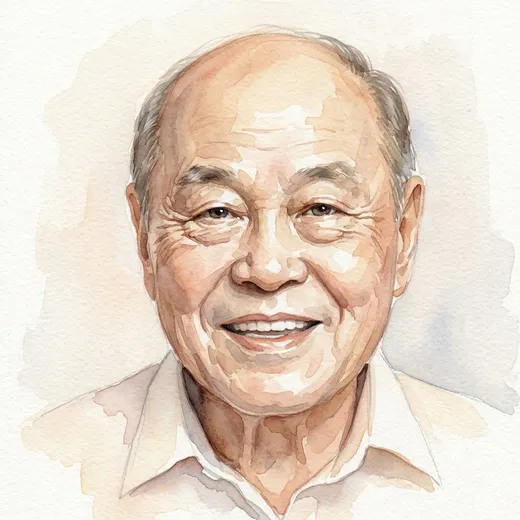
GOH CHENG LIANG / Nippon Paint
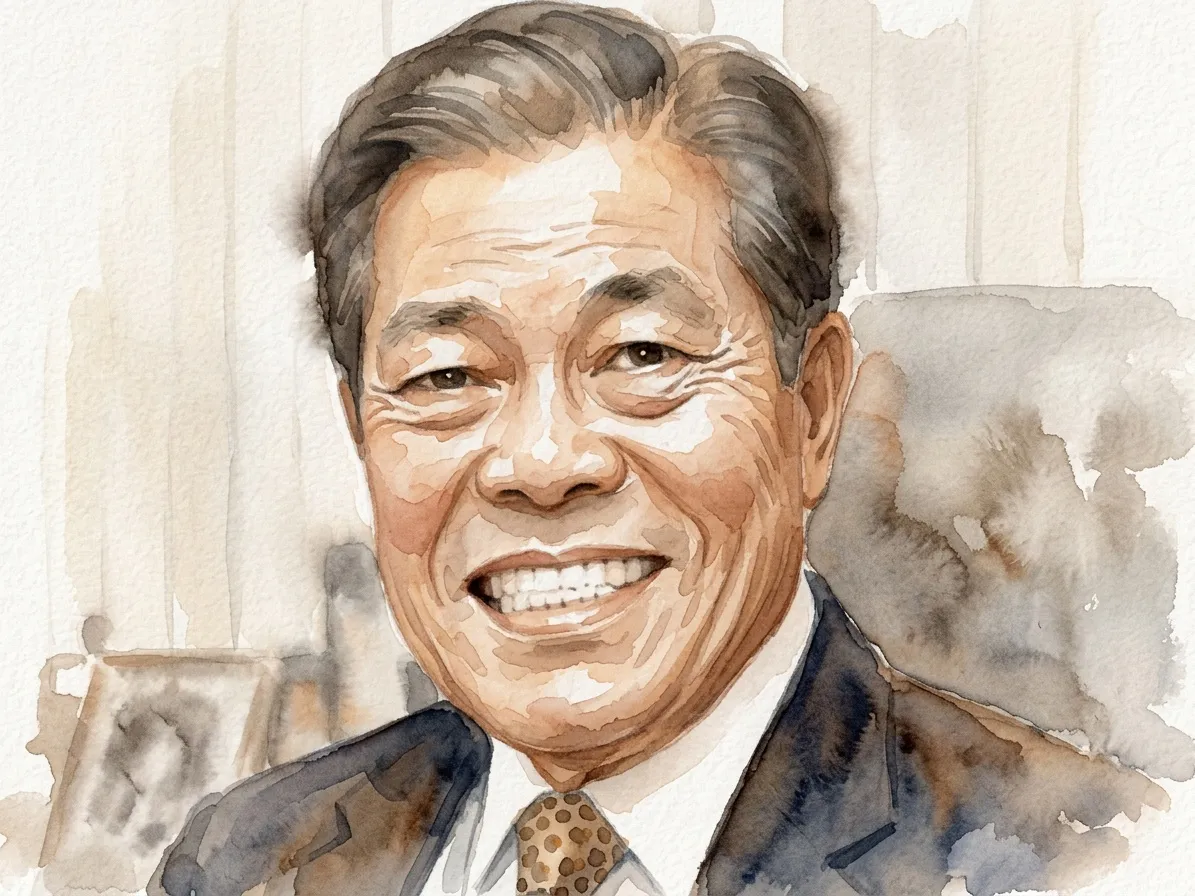
In 1949, the British army was auctioning off war supplies in Singapore.
Everyone walked past the barrels of rotten paint.
Everyone except one 22-year-old who'd just failed at selling aerated water.
That man died in August 2025 worth US$13 billion.
Singapore's richest person.
Here's the story of Goh Cheng Liang.
Goh grew up in a rented room in River Valley. S$3 per month. Family of seven crammed inside.
His father was jobless. His mother washed laundry. His sister sold rice cakes on the street.
During the Japanese Occupation, the family nearly starved.
At 12, Goh was sent to Muar to sell fishing nets for his brother-in-law. When he came back to Singapore, he tried starting an aerated water business.
It failed completely.
So he took a job at a hardware store. Worked there for four and a half years. Learned about chemicals. Learned about paint.
Then came the auction.
The British army was selling off war supplies. Surplus stock. Most of it junk.
Including barrels of "rotten paint" that everyone ignored.
Goh bought them for cheap.
Armed with nothing but a Chinese dictionary on chemicals, he started experimenting. Mixing colors. Adding solvents. Testing formulas.
He created his own brand: Pigeon Paint.
Then something unexpected happened.
The Korean War started in 1950. Import restrictions hit. Suddenly, Singapore needed locally made paint.
Goh's timing was perfect.
By 1955, he opened his first paint shop. Became the main distributor for Japanese brand Nippon Paint. Built a partnership that would last 60 years.
And he kept buying.
Properties. Joint ventures. Manufacturing plants across Asia.
In 2021, Goh made his biggest move. Through his company Wuthelam Holdings, he acquired a 60% stake in Tokyo-listed Nippon Paint.
The boy who bought rotten paint now owned Asia's largest paint manufacturer.
When he died last August at 98, his fortune was US$13 billion.
His six grandchildren each inherited billion-dollar stakes.
Three lessons:
1. Start with what others overlook. The best opportunities hide in the broken, discarded, and "worthless." Everyone else saw rotten paint. Goh saw raw materials.
2. Luck favors the prepared. The Korean War was luck. But Goh had already built the product, the knowledge, and the distribution. When the window opened, he was ready.
3. Think in decades. Goh's partnership with Nippon Paint lasted 60 years. His wealth compounded because he never sold. Most people optimize for months. Goh optimized for generations.
He also built Mount Elizabeth Hospital. Liang Court shopping mall. Donated millions to cancer research.
But it all started with barrels of paint nobody wanted.
What's the "rotten paint" in your industry that everyone else is ignoring?
This is the LinkedIn edit — written to fit inside 3,000 characters. Newer stories are written in full first, and the newsletter gets the whole thing.