Twenty-Five Years On Somebody Else's Payroll
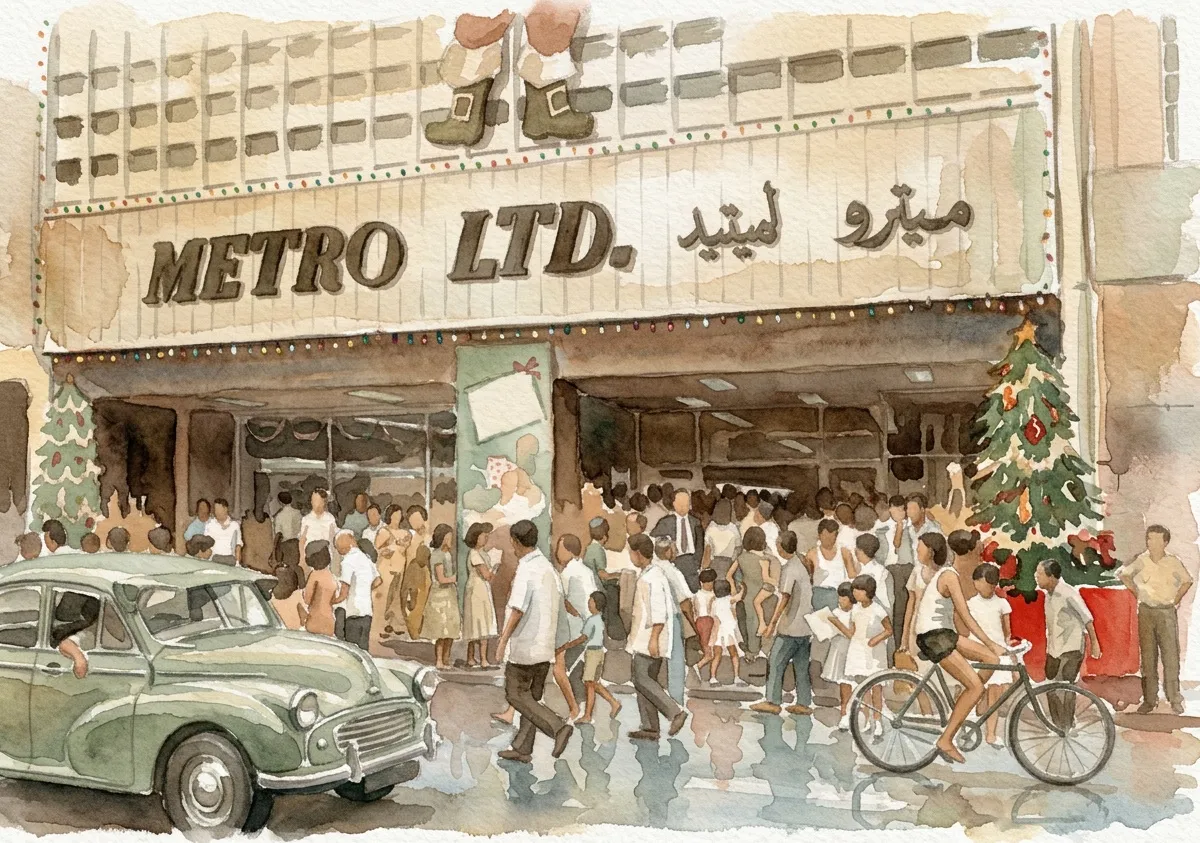
He treated twenty-five years on somebody else's payroll as tuition, not a trap. Then politics pushed him out of Indonesia, and the tuition was the only thing that crossed the water with him.
Metro has been a name on Singapore shopping centres for as long as I've been paying attention.
The man who started it spent about twenty-five years working for somebody else first. He opened his own first store at forty-two.
Here's what I didn't know until recently:
That was the plan.
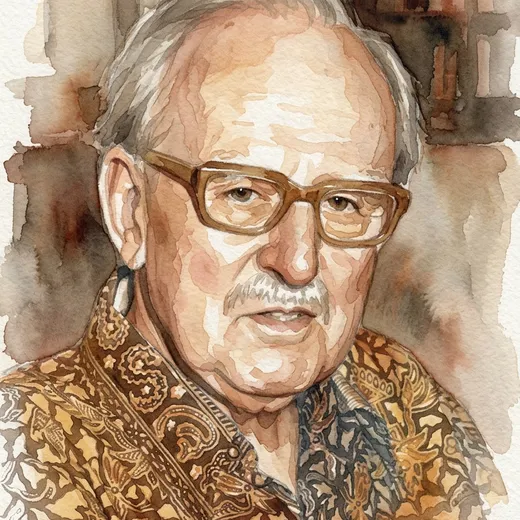
Ong Tjoe Kim was sixteen when he left Fujian, in China. His father was already in Jakarta. Ong got on a boat to join him.
He started in a textile shop. A cloth wholesaler's, for about two years. Then, by Chinese accounts, he studied Indonesian and Dutch at night. Dutch was the language of the colonial commercial class.
He was studying for a job he didn't have yet.
Then he joined a department store. He stayed about twenty-five years. He came in near the bottom. He left running seven branches. Buying. Stock. Staffing. Floor layout. Which customers walk in and what they want. He learned the whole machine on another man's balance sheet.
In 1953 he opened his own store, in Surabaya, in partnership. He named it Metro, after Metro-Goldwyn-Mayer. He was forty-two.
A second one followed in 1955.
Anti-Chinese sentiment was rising in Indonesia.
So he dissolved the partnership and handed both stores to his nephews.
Then he restarted in Singapore.
1957. A two-storey shophouse at 72 High Street. Not a department store yet. A shop selling fabric for sarong kebaya and cheongsam.
A lot of his first customers were his own Indonesian friends. They bought in bulk.
The years he'd spent in Indonesia weren't only his training.
They were his opening customer list.
It listed in 1973. At its peak the chain ran five department stores. Ong died in 2009. The chain shut every store for one day to mourn him.
In July 2026, Metro told the stock exchange the last two department stores will close when the leases expire. Paragon and Causeway Point.
What outlives the stores is property. In the mid-1970s Metro bought into a vacant Orchard Road site. It became Ngee Ann City. Metro sold out of it in 2005.
Here's what stays with me:
The thing he spent twenty-five years learning is the thing that's now closing.
He'd already proved the shopfront was never the asset. He left the Indonesian stores with his nephews. What crossed the water was what he knew. How the whole machine worked. Who walked into it. That rebuilt everything.
The Business Times obituary put his philosophy like this. Somewhere between thirty and forty, once a man feels his experience is adequate, he will want to establish his own business.
Not when you're fed up. When you're finished learning.
He started again with 250 square metres and a customer list made of friends. For the year to March 2026, Metro Holdings reported net assets of S$0.9 billion.
What are you calling time served, when what you learn there is the only thing you'd keep?
This is the LinkedIn edit — written to fit inside 3,000 characters.